AI Insights and Analysis

Latest trends, analysis, and insights from our AI case study library. Updated weekly

  • All Posts
  • AI Innovations
  • AI Insights
  • AI News
  • Energy
  • Financials
  • Healthcare
  • Industrials
  • Materials
  • Oil and Gas
  • Pharmaceuticals
  • Utilities
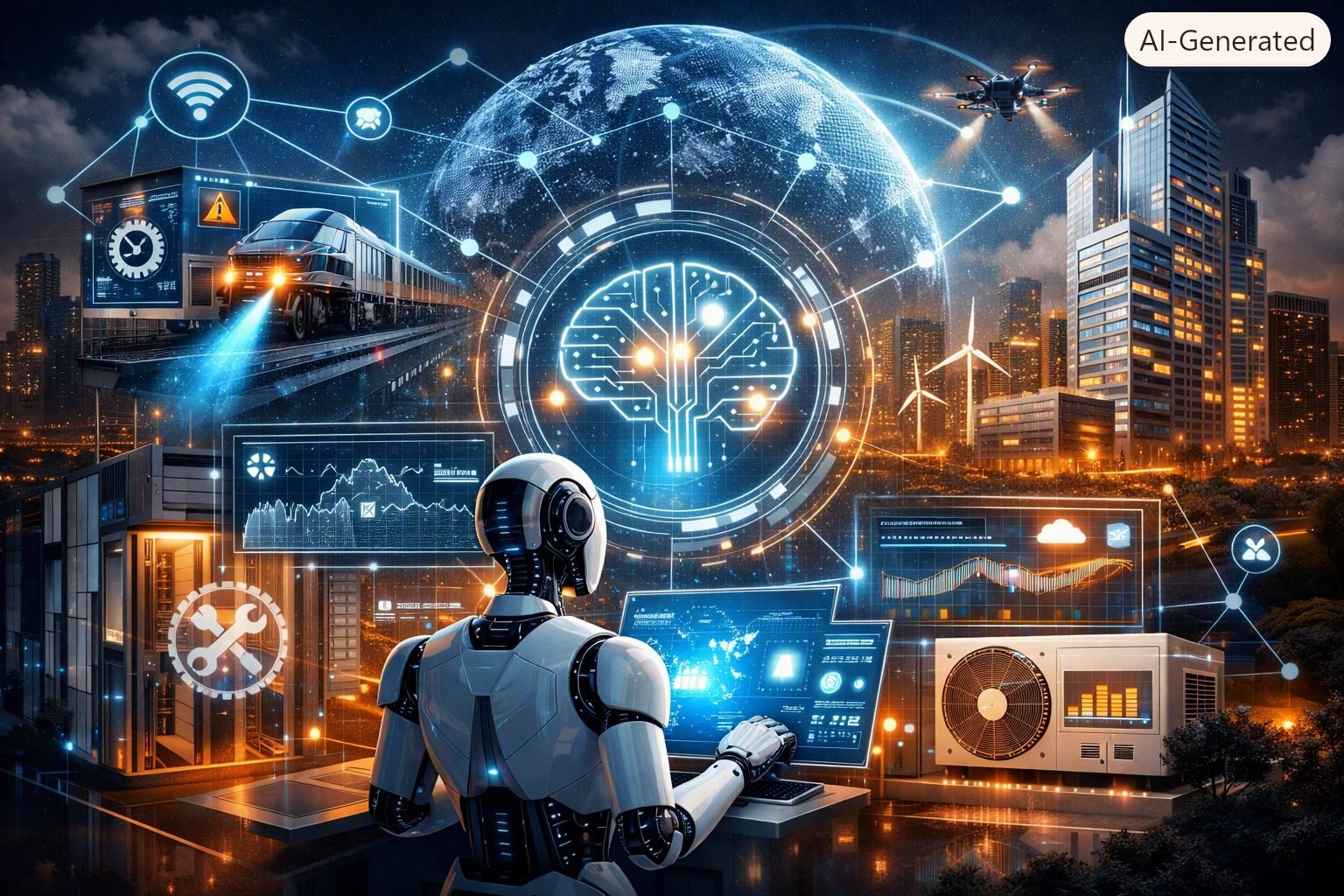
AI-driven reliability
Date written:July 27, 2026

Across industries, AI is redefining reliability and safety through predictive intelligence and autonomous control. From KONE’s smart elevators to Trane’s self‑optimizing HVAC systems and Norfolk Southern’s AI‑powered rail inspections, organizations are shifting from reactive maintenance to proactive, data‑driven operations. This transformation marks a new era of industrial resilience—where assets think, predict, and act before failure occurs.

  • All Posts
  • AI Innovations
  • AI Insights
  • AI News
  • Energy
  • Financials
  • Healthcare
  • Industrials
  • Materials
  • Oil and Gas
  • Pharmaceuticals
  • Utilities
AI-based financial crime prevention
Date written:July 23, 2026

Banks are entering a new era where financial crime moves faster than traditional defenses can react. As fraudsters exploit instant payments, social engineering, and digital channels at scale, institutions like HSBC and Mastercard are shifting from slow, reactive detection to AI‑driven, real‑time prevention. Their case studies reveal a unified industry trend: AI is becoming the central nervous system of modern financial‑crime defense — enabling millisecond‑level intelligence, network‑wide visibility, and responsible, transparent decision‑making. From reducing false positives to intercepting scams before money leaves a victim’s account, AI is reshaping how financial systems stay ahead of evolving threats.

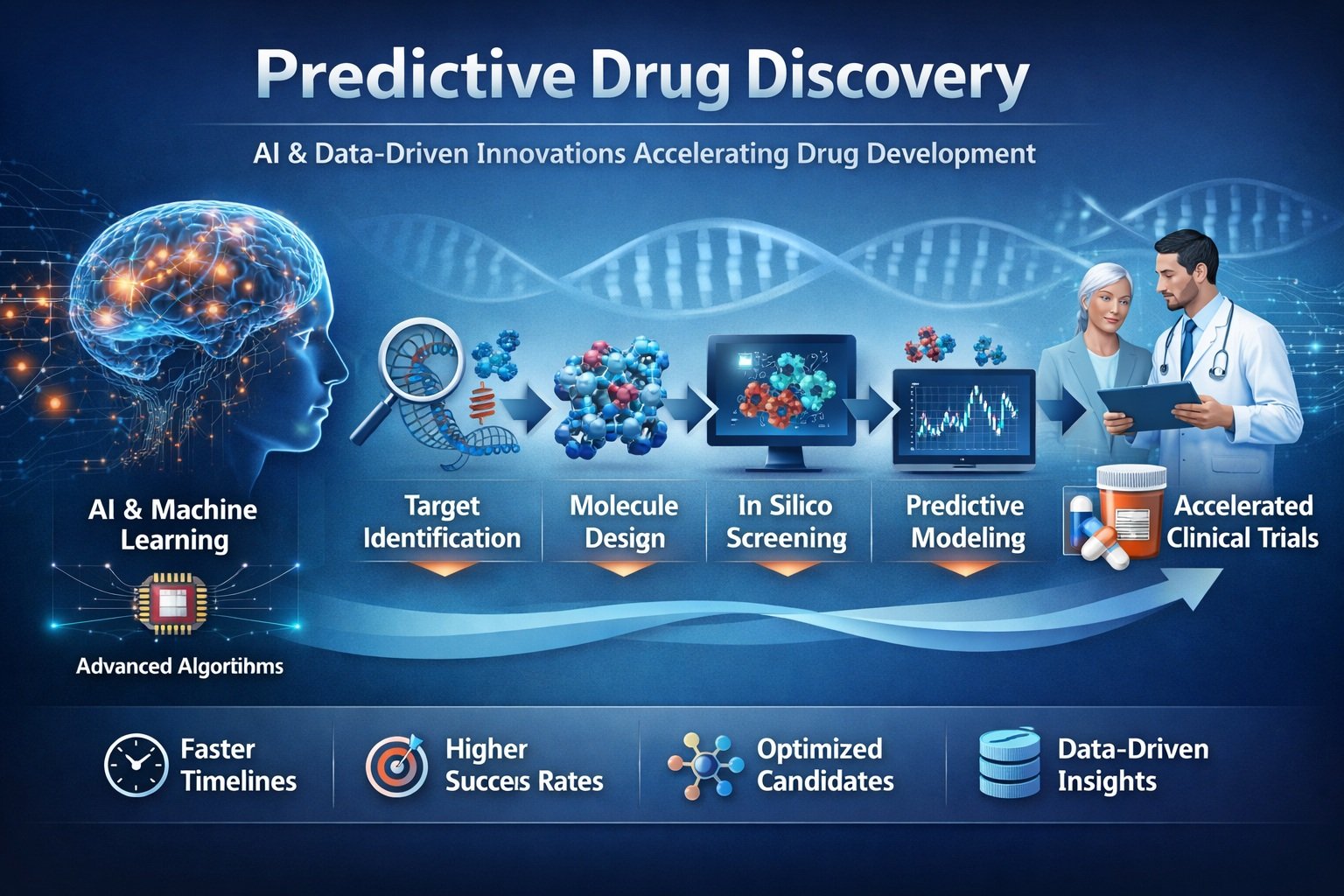
AI aided drug discovery
Date written:July 14, 2026

Pharma’s leading innovators are converging on a shared transformation: AI is shifting drug discovery from slow, experimental search to fast, predictive design. Across AstraZeneca, Bristol Myers Squibb, and Merck, a common blueprint is emerging, one built on graph neural networks, generative models, and enterprise‑wide data integration. These approaches are accelerating molecular invention, improving clinical decision‑making, and reshaping how R&D teams operate. The companies that embrace this predictive, data‑centric model will define the next decade of biomedical innovation.

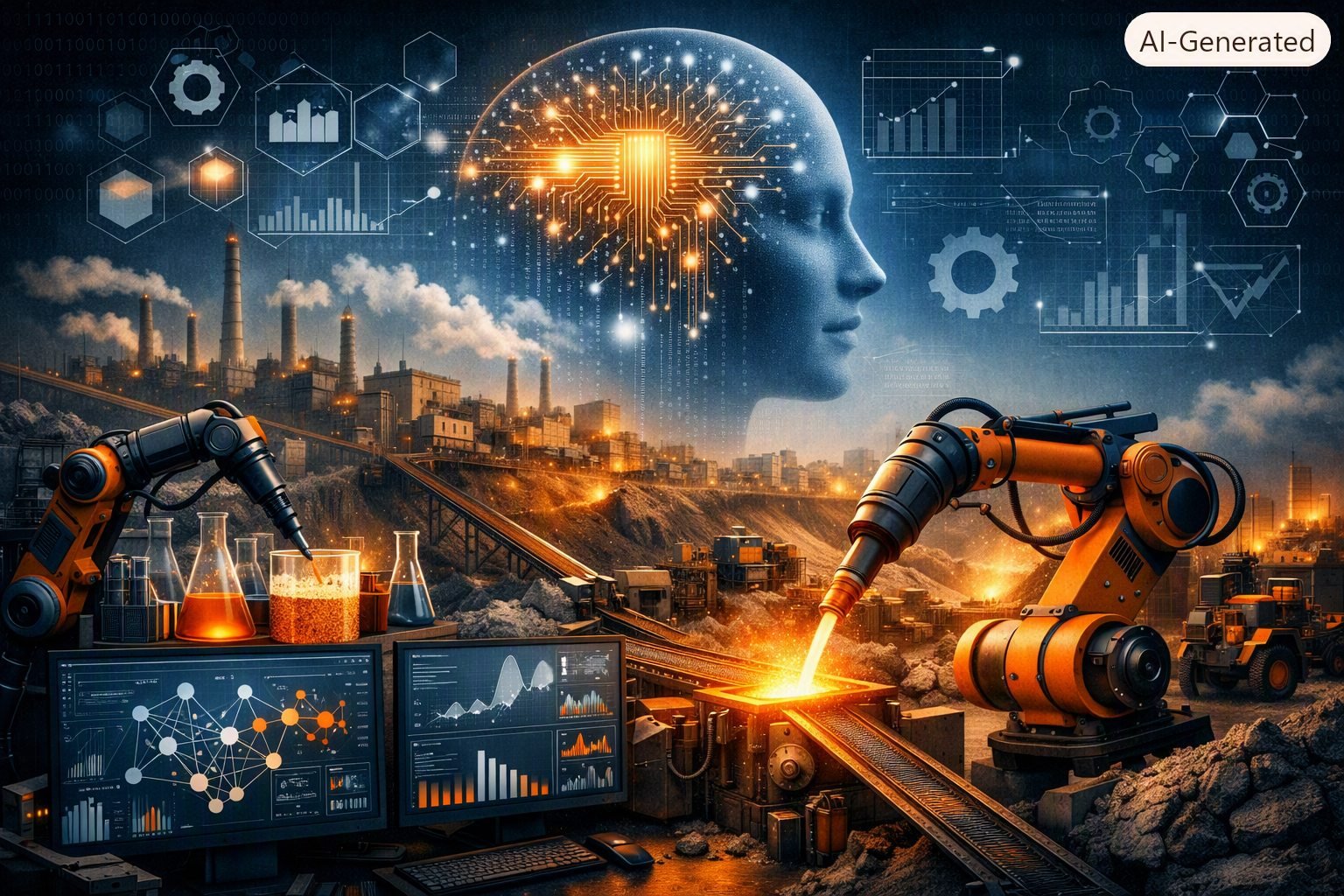
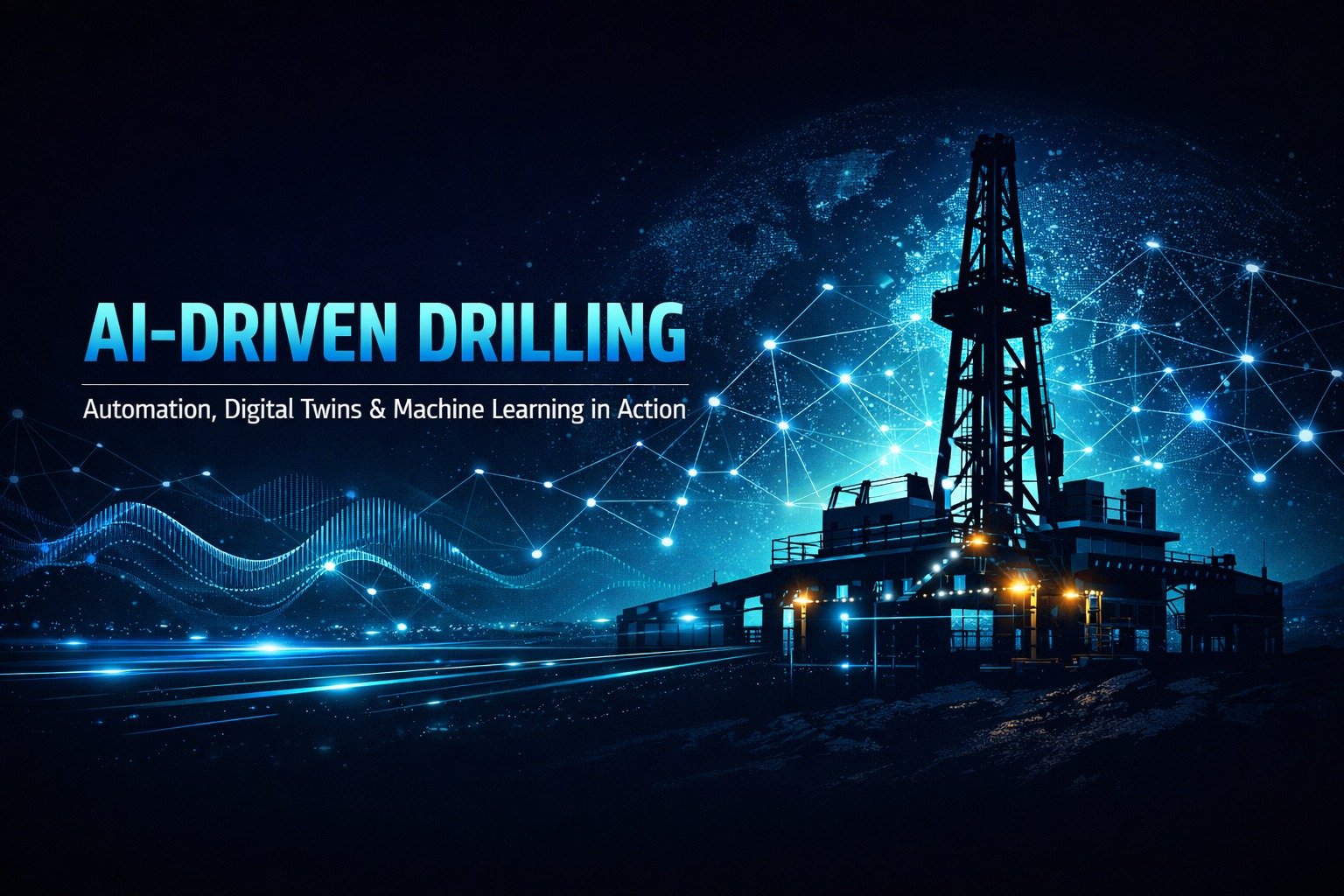
AI-driven drilling automation
Date written:July 14, 2026

The drilling industry is entering a decisive transformation as AI, automation, and closed‑loop control converge to redefine how wells are constructed. Across case studies from Halliburton, Nabors–Corva, and NOV, a clear pattern emerges: autonomous, continuously learning systems are becoming the new backbone of drilling performance. With digital twins, predictive analytics, and cloud‑to‑rig control now operating in real time, rigs are evolving into software‑defined environments where human expertise is augmented—not replaced—by intelligent automation. The result is faster wells, more consistent execution, and a step‑change reduction in dysfunction. Autonomous drilling is no longer experimental; it is already delivering measurable ROI and reshaping competitive advantage across the industry.

High‑Level Insight: AI Adoption Is Converging Across Industries

Across Energy, Financials, Healthcare, Industrials, Materials, and Utilities, companies are converging on the same transformation pattern:

AI is shifting from isolated pilots to embedded, operational systems that augment human decision‑making and automate complex workflows.

This is visible in drilling automation in Energy, fraud detection in Financials, drug discovery in Healthcare, predictive maintenance in Industrials, and grid reliability in Utilities.

1. Cross‑Sector Patterns in AI Adoption

A. AI is moving from analytics → automation → autonomy
Across sectors, companies are progressing through the same maturity curve:

Category/ AI Maturity StageExamples
Analytics & Prediction
  • Predictive drilling (Nabors)
  • Predictive maintenance (KONE, Holcim)
  • Predictive heating demand (E.ON)
Closed‑loop Automation
  • NOV Kaizen drilling optimizer
  • Schneider autonomous supply chain
  • Trane autonomous building management
Autonomous / Agentic Systems
  • Adnoc ENERGYai (agentic AI)
  • Citi Stylus Workspaces (agentic AI)
  • Sanofi “Plai” agentic colleague
  • Mastercard Agent Pay (agentic payments)

Insight: Industries are independently converging on autonomy as the end‑state of AI transformation.

B. Generative AI is becoming the universal interface layer

GenAI appears across every sector:

  • Energy: Aker BP Exploration Robot, ENI EnergIA, Repsol Copilot
  • Financials: HSBC, CitiService, Morgan Stanley AskResearchGPT, RBC NOMI
  • Healthcare: Amgen, BMS Mosaic, Merck supply chain GenAI, Pfizer diversity insights
  • Industrials: Carrier, Mitsubishi Heavy Industries, Union Pacific UP Chat
  • Utilities: DEWA ChatGPT apps, National Grid legal document GenAI

Insight: GenAI is the “front door” to enterprise knowledge, workflows, and decision support.

C. Machine Learning remains the operational backbone

ML dominates use cases requiring:

  • prediction
  • optimization
  • anomaly detection
  • pattern recognition
  • risk scoring
  • diagnostics

Examples:

  • Equinor saved USD 130M using ML
  • RBC Aiden trading engine
  • AstraZeneca drug discovery ML
  • Schneider home energy management ML
  • Tenaga Nasional underground cable ML

Insight: ML is the “workhorse” of enterprise AI, powering measurable operational improvements.

D. Robotics + Computer Vision are scaling physical‑world automation

Robotics and CV appear in sectors with heavy physical operations:

  • Equinor drones & robots
  • EDP wind turbine maintenance robots
  • NOV drilling automation (robotic workflows)
  • IFF smart dosing robot (Materials)
  • RTX cabin CV systems (Industrials)

Insight: Industries with physical assets are pairing robotics + AI to reduce downtime, improve safety, and automate inspections.

2. Common Patterns in Business Outcomes

Across all sectors, AI consistently delivers:

Impact ThemeExamples
Efficiency & Throughput Gains• Nabors: +36% ROP improvement
• Equinor: $130M saved
• Merck: optimized clinical trials
Risk Reduction & Safety Improvements• Mastercard scam prevention
• Norfolk Southern railroad safety AI
• SSE species monitoring (environmental risk)
Improved Decision‑Making• Chevron ApEX & APOLO exploration decisions
• Morgan Stanley AskResearchGPT
• AstraZeneca molecular imaging insights
Enhanced Customer Experience• Gap AI shopping experience
• RBC NOMI financial coaching
• Elevance Health GenAI consumer experience

3. Common Patterns in AI Categories
AI CategoryDescription
Generative AIUsed for:
• Knowledge retrieval
• Customer interaction
• Content generation
• Decision support
• Workflow automation

Pattern: GenAI = interface + reasoning layer.

Machine LearningUsed for:
• Prediction
• Optimization
• Anomaly detection
• Diagnostics
• Forecasting

Pattern: ML = operational engine.

Agentic AIUsed for:
• Autonomous workflows
• Multi‑step task execution
• Decision chains
• Enterprise copilots

Pattern: Agentic AI = autonomy layer.

Robotics & Computer VisionUsed for:
• Inspections
• Physical automation
• Safety
• Quality control

Pattern: Robotics/CV = physical‑world automation.

4. The Unified Cross‑Industry Trend

Across all 100+ case studies, industries are converging on a shared architecture:

GenAI as the interface → ML as the engine → Agentic AI as the orchestrator → Robotics/CV as the physical executor.

Stay Updated with Weekly Insights

Subscription Form
Scroll to Top